Head to head
Klipsch RP-8000F II vs Polk Reserve R700
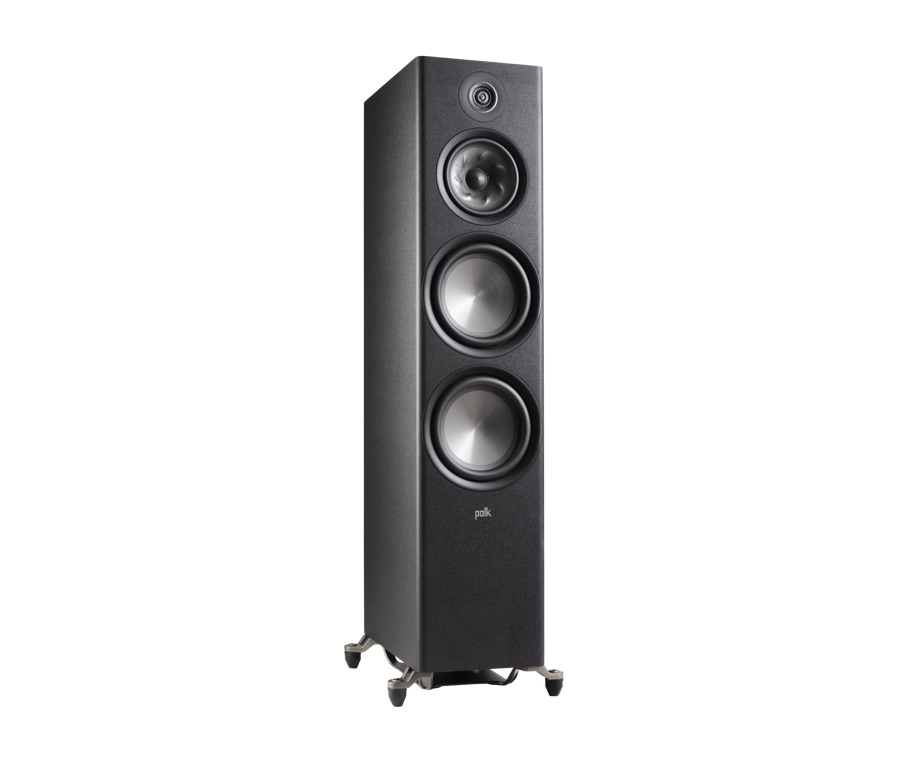
A horn-loaded 2.5-way tower with very high sensitivity against a measured-flat 3-way tower with a matching center. The deciding factor is receiver power and room liveliness versus neutrality and a series match.
Updated September 14, 2026
We may earn a commission when you buy through links on this site, at no extra cost to you. It never affects what we recommend. Learn more.
These are the two dual-8-inch towers in the catalog, and both measured well at Erin's Audio Corner, but they are built for different rooms. The Klipsch plays about 4 dB louder per watt and its horn narrows treble dispersion; the Polk is flatter, reaches lower on its own, and has the Reserve R400 center to match. The one question that decides it: is the receiver modest and the room big and lively, or is neutrality and a timbre-matched center the priority?
| Spec | 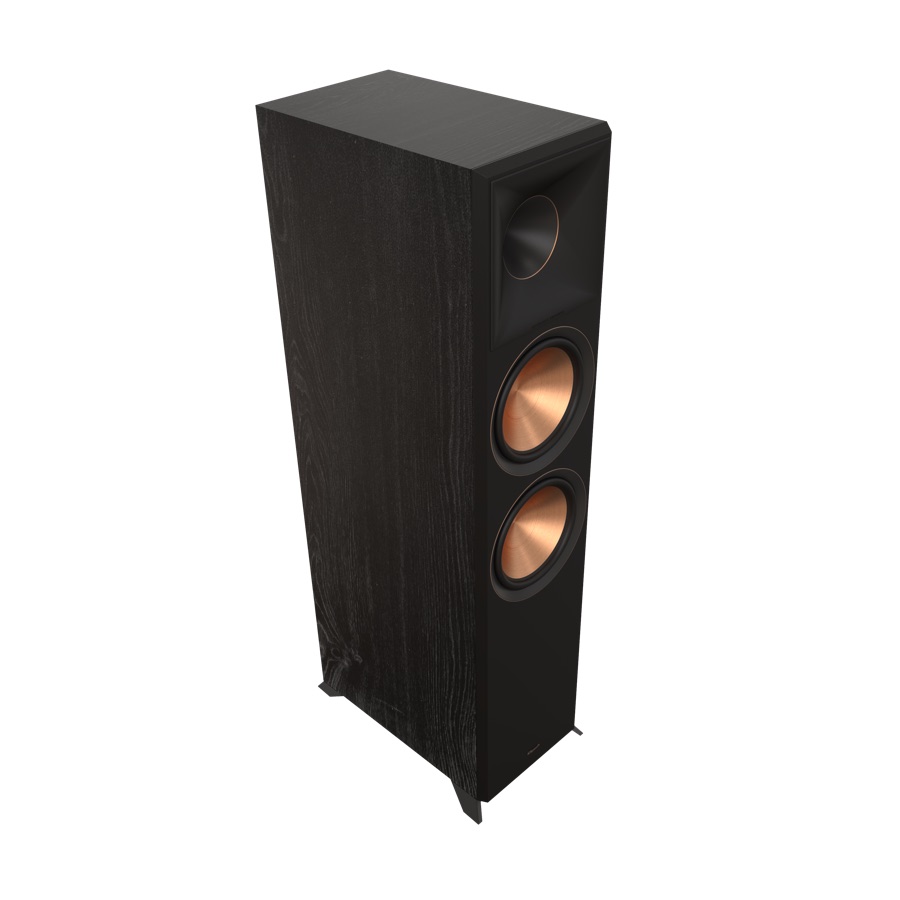 Klipsch Reference Premiere RP-8000F II (each) Large rooms and modest receivers that need big dynamics View on Amazon | |
|---|---|---|
| Best for | Large rooms and modest receivers that need big dynamics | Front left/right in medium to large rooms |
| Price tier | Mid-range | Mid-range |
| Type | 2.5-way tower | 3-way tower |
| Drivers | Dual 8-inch Cerametallic woofers, 1-inch titanium tweeter on 90 x 90 Tractrix horn | Dual 8-inch woofers, 6.5-inch midrange, 1-inch Pinnacle ring radiator |
| Sensitivity | 98 dB rated, 91.7 dB anechoic (Erin's) | 88 dB rated |
| Impedance | 8 ohm compatible | 8 ohm compatible, dips to about 3.5 ohm |
| Frequency response | 35 Hz to 25 kHz (+/-3 dB); about 90 Hz anechoic -3 dB before room gain | 38 Hz to 40 kHz (-3 dB) |
| Recommended power | 150 W continuous, 600 W peak | 30 to 300 W |
| Matching center in catalog | None | Reserve R400 |
| Sold as | Each | Each |
Pick the Klipsch Reference Premiere if
- Your receiver is an 80 to 100 watt model and the room is large; the sensitivity makes it behave like a much bigger amp.
- The room is lively and untreated and you want the horn's controlled directivity to keep dialogue clear.
- You want the biggest dynamics for the money and will cross to a sub at 80 Hz.
Pick the Polk Audio Reserve if
- You want the flattest on-axis response and a dedicated midrange for cleaner dialogue at volume.
- A timbre-matched center matters, and the R400 is in the same series.
- You want towers that can run full range for music without a sub.
Verdict
Buy the Polk Reserve R700 for a neutral front stage with a matching center; it measured within roughly plus or minus 2 dB and reaches about 40 Hz on its own. Buy the Klipsch RP-8000F II for a big room on a modest receiver, where its measured 91.7 dB sensitivity and horn directivity do more than any spec sheet suggests. The exception is a receiver not rated for 4 ohm loads, where the Polk's 3.5 ohm dips make the Klipsch the safer match.
Common questions
- Is the Klipsch really 98 dB sensitive?
- Not anechoically. Erin's Audio Corner measured 91.7 dB, which is still about 4 dB more than the Polk and a meaningful difference in how loud a given receiver plays.
- Is the Klipsch bright?
- The horn tweeter tilts forward in the treble, so it can sound bright in untreated rooms. Go easy on toe-in and consider first-reflection panels.
- Do either need a subwoofer?
- For movies, both. The Polk reaches about 40 Hz on its own for music; the Klipsch's anechoic -3 dB point is around 90 Hz before room gain, so cross it at 80 Hz.