Head to head
Polk Reserve R700 vs KEF Q7 Meta
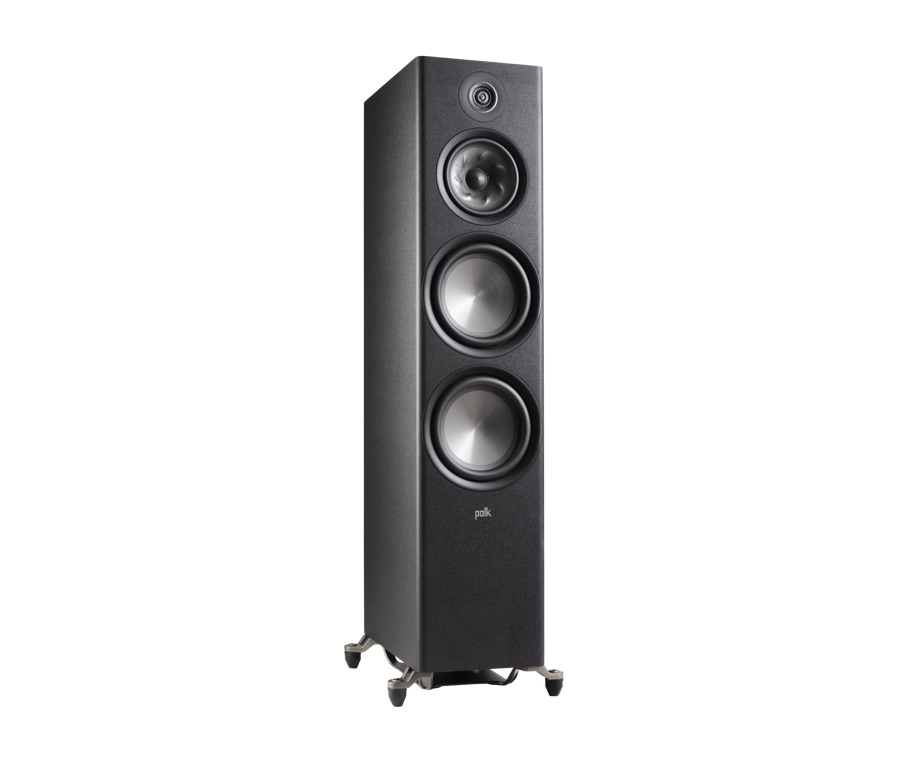
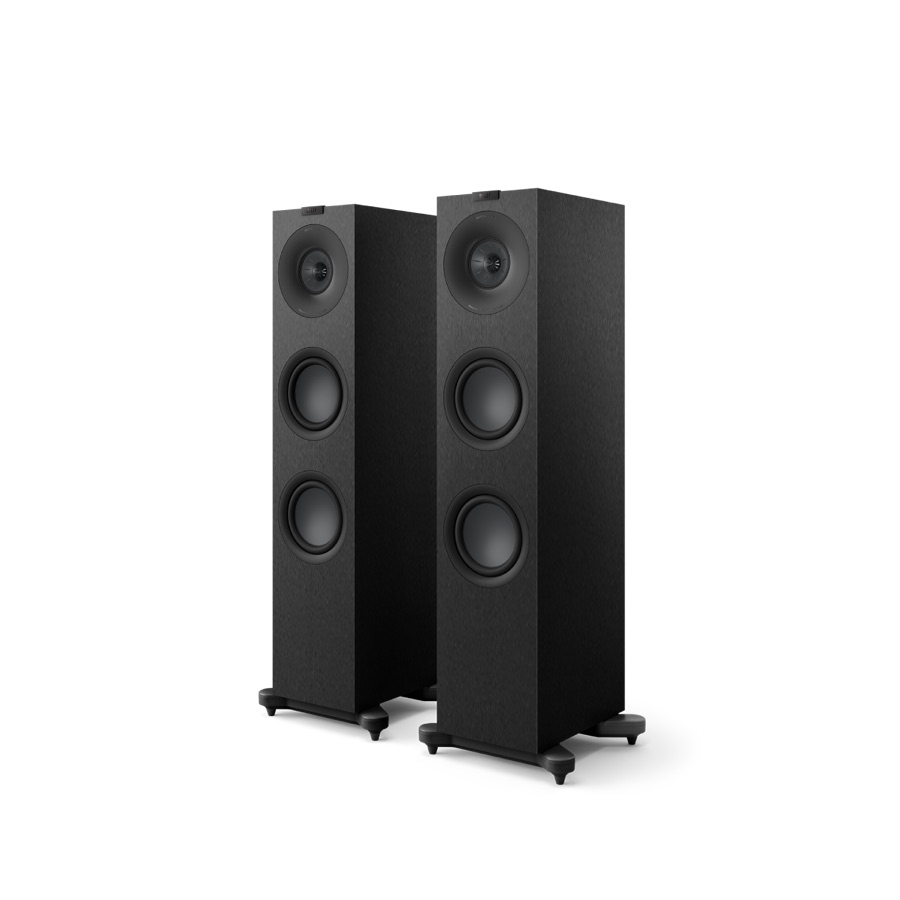
The two mid-priced towers most people cross-shop. Polk's measured, full-range R700 against KEF's Uni-Q Q7 Meta with its wide sweet spot. The deciding factor is bass and receiver load versus imaging and a slim cabinet.
We may earn a commission when you buy through links on this site, at no extra cost to you. It never affects what we recommend. Learn more.
Both are three-way towers sold per speaker at similar prices, and both are meant to be the front left and right of a home theater that also plays music. The Polk is bigger, goes deeper, and has been measured flat by Erin's Audio Corner. The KEF uses a Uni-Q coaxial driver, so the whole sofa hears the same balance, in a slimmer cabinet. The one question that decides it: do you need the towers to carry the bass, or will a subwoofer do that?
| Spec | KEF Q7 Meta (each) Front left/right in medium rooms where imaging and a slim cabinet matter View on Amazon | |
|---|---|---|
| Best for | Front left/right in medium to large rooms | Front left/right in medium rooms where imaging and a slim cabinet matter |
| Price tier | Mid-range (each) | Premium (each) |
| Drivers | 2 x 8 in woofers, 6.5 in midrange, 1 in ring radiator tweeter | 4 in Uni-Q (coaxial tweeter) with MAT, 2 x 6.5 in woofers |
| Bass extension | 38 Hz (-3 dB) | 46 Hz (+/-3 dB); about 28 Hz in-room (-6 dB) |
| Sensitivity | 88 dB | 87 dB |
| Impedance | 8 ohm compatible, dips to about 3.5 ohm | 4 ohm nominal, 3.2 ohm minimum |
| Recommended power | 30 to 300 W | 15 to 200 W |
| Independent measurements | Erin's Audio Corner: about +/-2 dB on axis | None of this exact model yet |
| Matching center | Polk Reserve R400 | KEF Q6 Meta Center |
Pick the Polk Audio Reserve if
- You want real bass from the towers for music, without always running a sub.
- The room is medium to large and the towers can sit about two feet from the front wall.
- You want a speaker with published independent measurements behind it.
Pick the KEF Q7 Meta if
- Several people watch from a wide sofa; Uni-Q keeps the balance the same across every seat.
- Space is tight and a slimmer cabinet matters.
- A subwoofer will handle the low end, so bass extension is less important.
Verdict
Buy the Polk Reserve R700 if you want a full-range tower with measured performance and deeper bass; it is the stronger choice for a larger room or a music-first system. Buy the KEF Q7 Meta if imaging and a wide sweet spot matter more, because Uni-Q gives every seat the same tonal balance and the cabinet is easier to live with. The exception is a budget receiver: both dip into the 3 ohm range, so check that yours is rated for 4 ohm loads either way.
Common questions
- Which has more bass?
- The Polk on paper and in measurement: 38 Hz at -3 dB from two 8 inch woofers, against the KEF's 46 Hz at -3 dB. KEF quotes about 28 Hz in-room at -6 dB, but in a home theater with a sub, both are crossed over at 80 Hz anyway.
- Will my receiver drive them?
- Both dip to around 3.2 to 3.5 ohms. A receiver rated for 4 ohm loads will be fine at normal volumes; check the spec sheet for a 4 ohm rating. For very loud listening, an external amp helps either one.
- What center should I pair with each?
- Stick with the same family for a seamless front stage: the Polk Reserve R400 with the R700, and the KEF Q6 Meta Center with the Q7 Meta.