Skip to content
Home Theater HubPlan. Build. Enjoy.

Speakers

What bookshelf speakers make the best surround channels?

The best bookshelf speakers for surround channels, measured for wide dispersion and easy load, plus the tower and center pairing for the front stage.

Updated September 12, 2026

We may earn a commission when you buy through links on this site, at no extra cost to you. It never affects what we recommend. Learn more.

Surround speakers have one job that is different from the front three: they need to spread sound widely so the effects do not localize to a box on the wall. That makes wide, smooth horizontal dispersion the spec to look for, and it makes a well-designed budget bookshelf a better surround than an expensive narrow-dispersion monitor. This page is for a 5.1 or 5.1.2 room being built on a sensible budget.

We used independent lab measurements of dispersion, sensitivity, and bass extension, and we favored speakers that reviewers recommended outright at their tier. We also included the front-stage pairing we would build these surrounds around, because the surrounds should not be chosen in isolation.

Our picks

Polk Audio Signature Elite ES20

1. Best overall

Polk Audio Signature Elite ES20

  • 2-way bookshelf, 6.5" woofer
  • 1" Terylene dome tweeter
  • 88 dB measured sensitivity
  • Bass to ~35 Hz in-room (ASR)

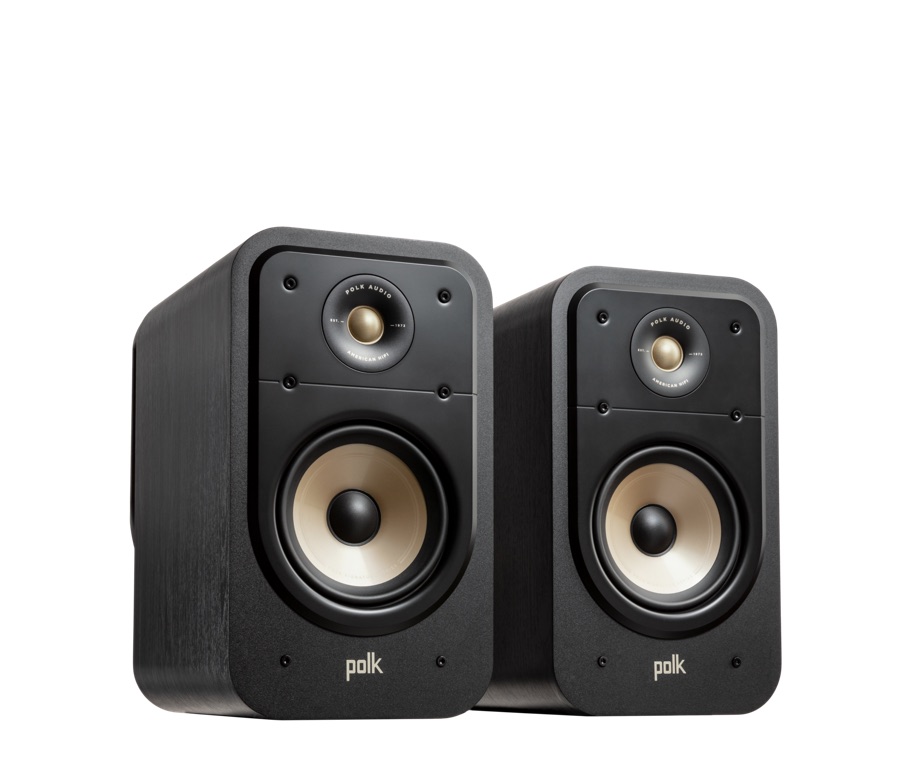
The Polk Audio Signature Elite ES20 is a 2-way bookshelf with a 6.5-inch woofer and 1-inch Terylene dome tweeter that Audio Science Review measured at 88 dB sensitivity with smooth, wide horizontal dispersion and in-room bass to roughly 35 Hz, and it recommended the speaker outright at its budget tier. That dispersion is exactly what surround channels need. Sold as a pair, so one listing covers both surrounds.

Caveat: ASR noted a mild 600 to 1,000 Hz resonance; receiver room EQ tames it, and it is not a timbre match for the Reserve series.

View on Amazon$ · Surrounds or a small-room stereo pair on a budget
Polk Audio Reserve R700

2. Front-stage pairing (towers)

Polk Audio Reserve R700

  • 3-way tower, dual 8" woofers + 6.5" mid
  • 1" Pinnacle ring radiator tweeter
  • 88 dB sensitivity, 8 ohm nominal
  • 38 Hz (-3 dB), ported

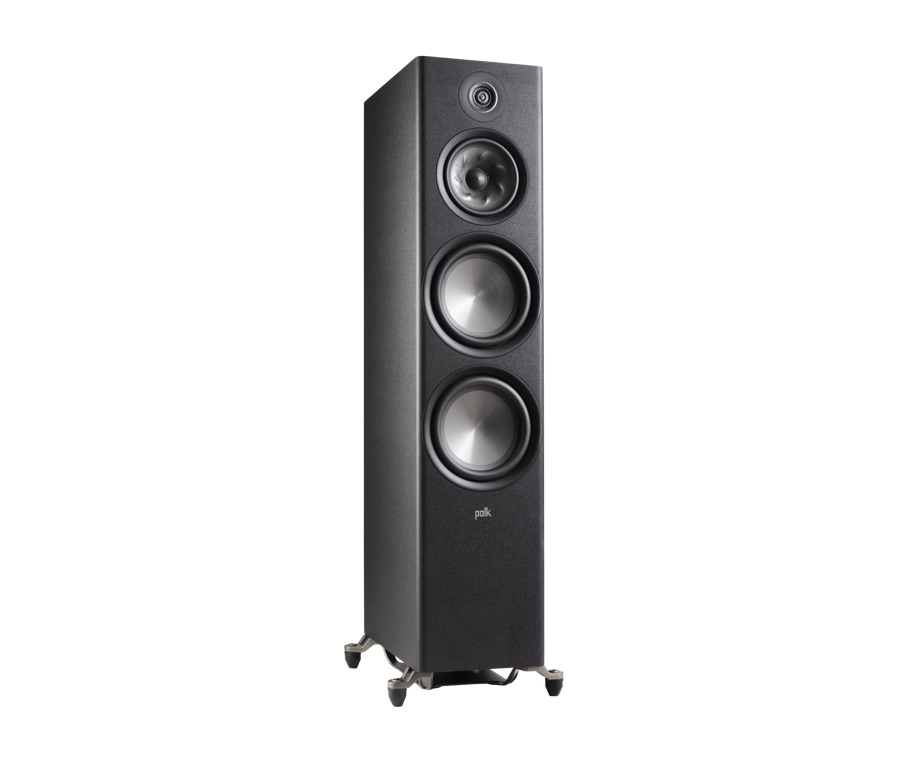
For the front left and right, the Polk Audio Reserve R700 is the tower we would put in front of ES20 surrounds. It is a three-way with dual 8-inch woofers that Erin's Audio Corner measured within roughly plus or minus 2 dB on-axis with bass to about 40 Hz, and it shares the same brand voicing so the transition from front to surround is close even without a strict series match. Rated at 88 dB into 8 ohms, it matches the surrounds' sensitivity.

Caveat: Priced per speaker, so budget for a pair.

View on Amazon$$$ · Front left/right in medium to large rooms
Polk Audio Reserve R400

3. Front-stage pairing (center)

Polk Audio Reserve R400

  • Reserve series center (matches R700)
  • Dual 6.5" Turbine Cone woofers
  • 1" Pinnacle ring radiator tweeter
  • 89 dB sensitivity, 48 Hz (-3 dB)

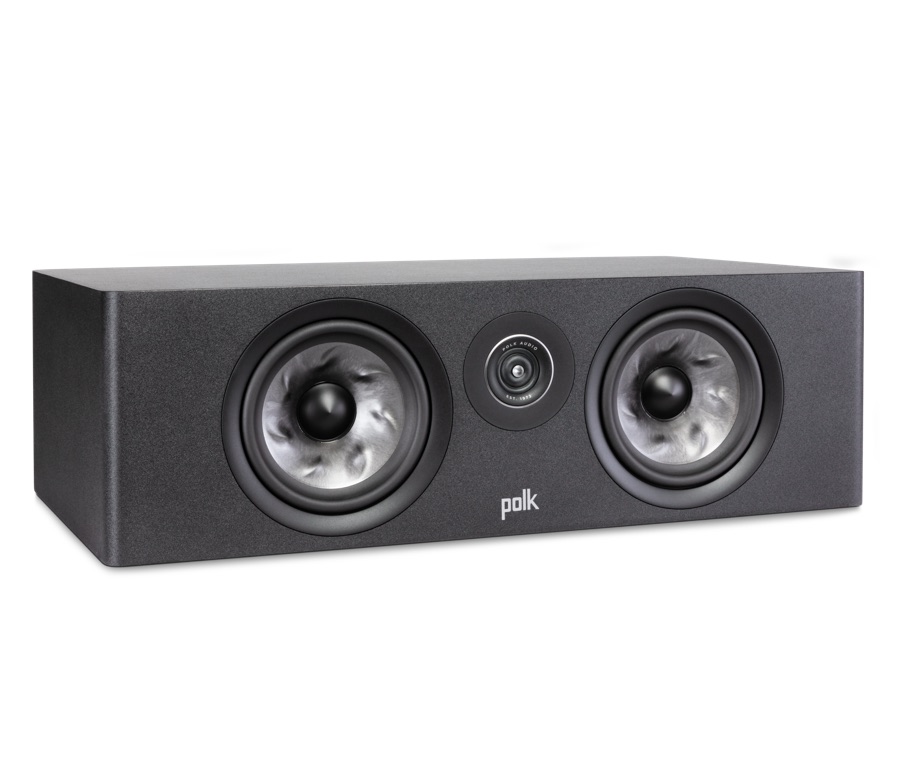
The Reserve R400 completes the front three with the same Pinnacle ring radiator tweeter and Turbine Cone woofers as the R700, so dialogue and pans across the front stay consistent. Rated at 89 dB sensitivity with a 48 Hz low end, it crosses over to a sub at 80 Hz without strain. Sound & Vision reviewed the Reserve system as a whole and found it dynamic and immersive for the money.

Caveat: Two-way with a 4.1 ohm minimum impedance, so pair it with a receiver rated for that load.

View on Amazon$$ · Center channel paired with Reserve R700 or R600 towers

How we chose

  • Wide, smooth horizontal dispersion so effects do not localize
  • Sensitivity around 88 dB and an easy impedance load for surround channels
  • Compact enough for a stand, shelf, or wall bracket
  • A front stage that will not embarrass the surrounds on pans

Common questions

Do surround speakers need to match the front speakers?
Less strictly than the center needs to match the fronts. Surrounds carry ambience and effects, so a different series from the same brand is usually fine as long as the dispersion is wide and the tonal balance is similar. The center channel is where matching matters most.
Should I use bookshelf or bipole speakers for surrounds?
Bookshelf speakers with wide dispersion work well in most rooms and are the safer choice for Atmos, where surrounds should be direct-radiating. Bipole or dipole surrounds can help in narrow rooms with seats close to the side walls.
How high should surround speakers be mounted?
About ear level to 2 feet above ear level when seated, aimed toward the listening area. For a 5.1 layout, place them at 90 to 110 degrees from the main seat. The speaker placement calculator gives angles for your room.

Head to head