Skip to content
Home Theater HubPlan. Build. Enjoy.

TVs

Which TV holds up in a bright living room?

The best TVs for a bright room in 2026: a very bright 85-inch Mini-LED, a value Mini-LED with a matte coating, and when an OLED still makes sense.

Updated September 12, 2026

We may earn a commission when you buy through links on this site, at no extra cost to you. It never affects what we recommend. Learn more.

A bright room punishes TVs in two ways: sunlight and lamps wash out the picture, and reflections sit on top of dark scenes. What you want is high sustained brightness, an anti-reflective or matte panel, and enough dimming zones that the backlight can push highlights hard without lifting the whole image. This page is for living rooms with big windows, daytime sports, and families who watch with the lights on.

We used measured peak and sustained brightness figures, reflection handling, and viewing angle from independent lab reviews. Two picks are Mini-LED sets built for exactly this room, and the third is an OLED for people who can control the light some of the time and care most about movie nights.

Our picks

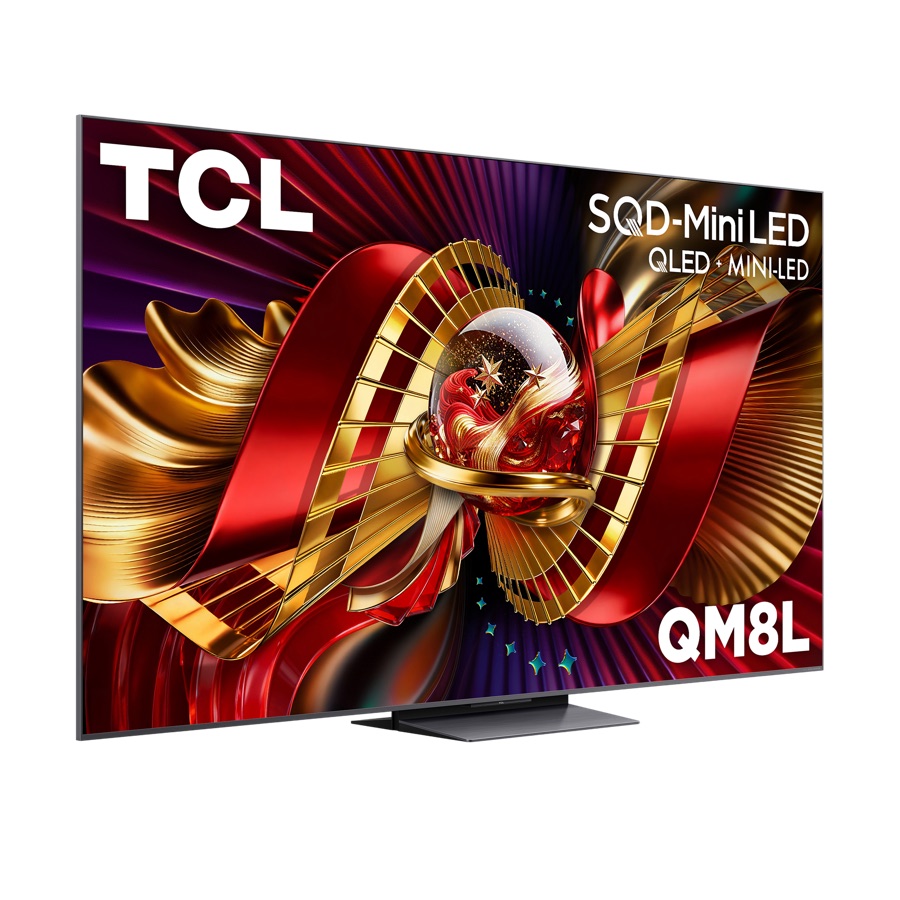
TCL QM8L 85-inch SQD-Mini-LED (85QM8L)

1. Best overall

TCL QM8L 85-inch SQD-Mini-LED (85QM8L)

  • SQD Mini-LED, up to 4,000 zones
  • 4K 144Hz
  • 4x HDMI 2.1
  • Dolby Vision / HDR10+

The 85-inch TCL QM8L is the brightest set in our catalog, with measured HDR peaks that range from about 2,000 nits in Filmmaker Mode to over 4,000 nits in Standard and Vivid, and an SQD Mini-LED backlight with up to 4,000 dimming zones. Its anti-reflective wide-angle panel keeps the picture watchable from off-axis seats in daylight. It replaced the 2025 QM8K and runs four HDMI 2.1 inputs at 4K144. For daytime sports on a big wall it has no real weakness.

Caveat: It is 85 inches only in our catalog, so check your wall and seating distance first.

View on Amazon$$$ · Big bright rooms, sports and HDR movies
Hisense U7SG 65-inch Mini-LED ULED (65U7SG)

2. Best value

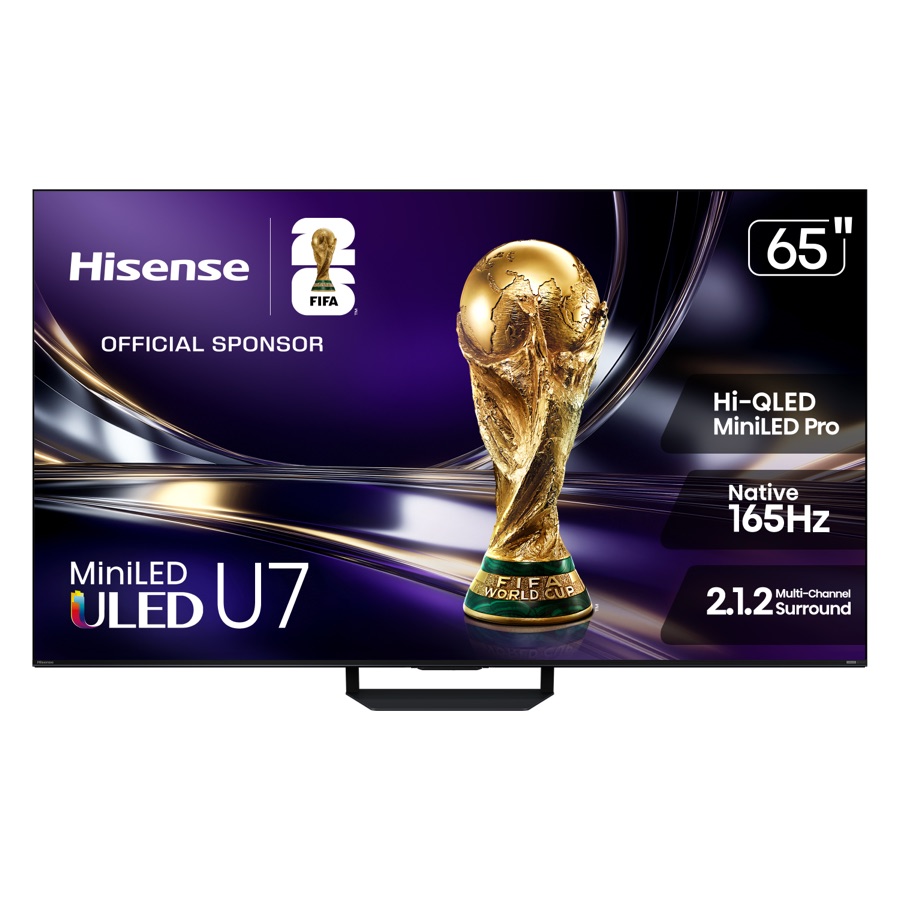
Hisense U7SG 65-inch Mini-LED ULED (65U7SG)

  • Mini-LED QLED
  • 4K 165Hz
  • 4x HDMI 2.1
  • Dolby Vision IQ / HDR10+

The Hisense U7SG pairs a matte anti-reflection coating with peak brightness in the roughly 2,500 to 3,000 nit class, which is more than most sets at its budget tier can manage. The matte finish is the difference-maker in a bright room: it diffuses window reflections instead of mirroring them. Full HDMI 2.1 on all four inputs at 165 Hz makes it a good console TV too. It succeeded the U75QG in 2026.

Caveat: Matte coatings soften reflections but also slightly reduce perceived contrast in a dark room.

View on Amazon$$ · Bright rooms, gaming on a budget
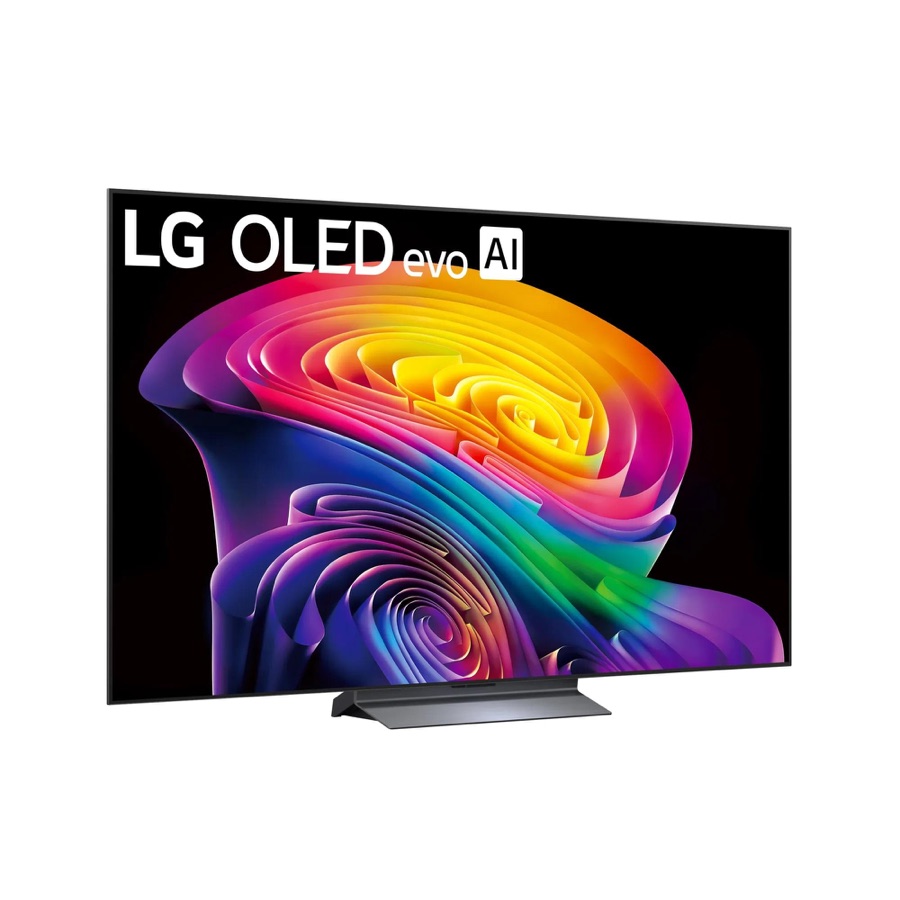
LG C6 65-inch OLED evo (OLED65C6PUA)

3. If you can control the light

LG C6 65-inch OLED evo (OLED65C6PUA)

  • OLED evo (WOLED)
  • 4K 165Hz
  • 4x HDMI 2.1
  • Dolby Vision

An OLED is not the obvious bright-room pick, but the LG C6 is worth considering if the room is bright by day and dark on movie nights. Its evo panel lands in the roughly 1,300 to 1,500 nit class, which handles a lit room for TV and sports as long as sunlight is not hitting the screen directly. What you gain is perfect black and no blooming once the shades are down, plus four full HDMI 2.1 ports.

Caveat: The glossy panel reflects direct light, and it is not as bright as either Mini-LED here.

View on Amazon$$$ · Dark rooms, movies, gaming

How we chose

  • Measured peak HDR brightness of 2,000 nits or more, or a matte coating that tames glare
  • Anti-reflective panel that does not turn windows into mirrors
  • Wide viewing angle for a couch that spans the room
  • Four HDMI 2.1 inputs for consoles and a receiver

Common questions

Is OLED bad for a bright room?
Not bad, but not the best fit. Current OLEDs are bright enough for most daytime viewing, but they are glossy and cannot match a Mini-LED's peak output when sunlight hits the screen. If the room is bright most of the day, choose Mini-LED.
How many nits do I need for a bright room?
Around 1,000 nits of sustained full-screen brightness handles most lit rooms, and 2,000 nits or more of HDR peak keeps highlights punchy. The panel coating matters as much as the number; a matte screen at 1,500 nits can look better than a glossy one at 2,000.
Should I get a matte or glossy TV screen?
Matte if windows or lamps face the screen and you cannot move them. Glossy if you can control the light, because glossy panels preserve a bit more contrast and color depth in the dark.

Head to head