Head to head
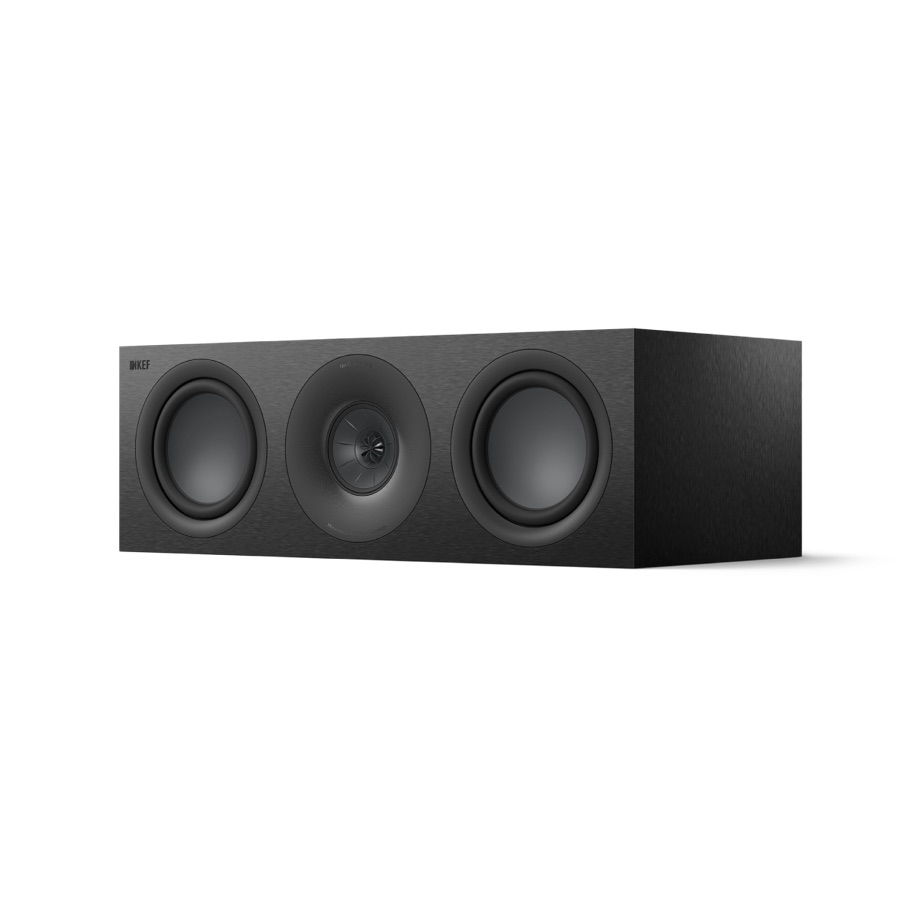
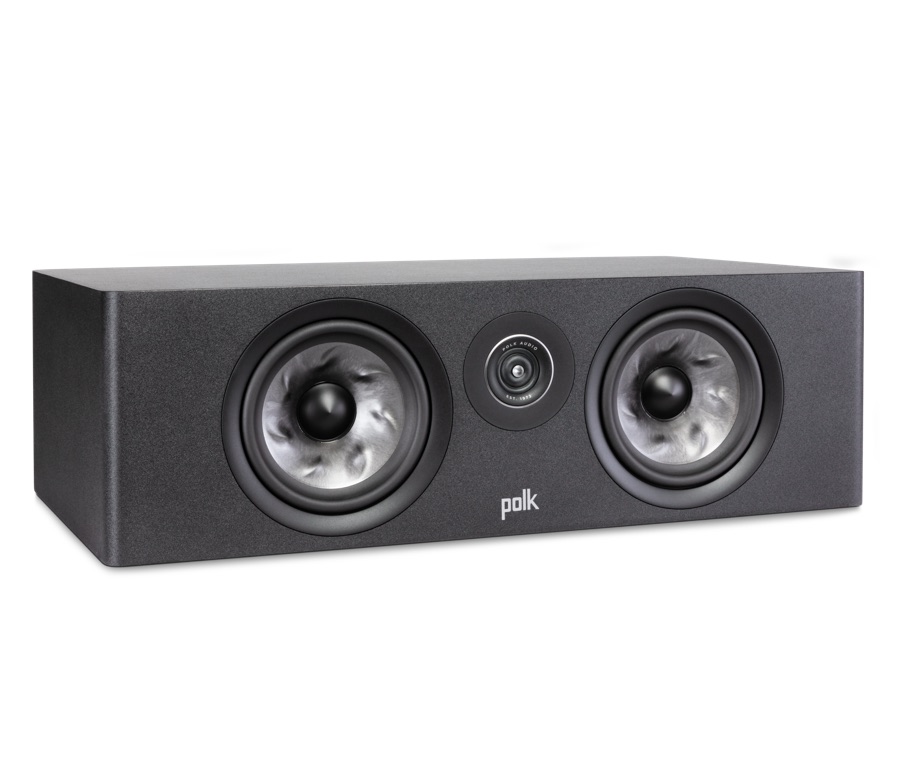
KEF Q6 Meta Center vs Polk Reserve R400
Two center channels at the heart of two popular tower families. KEF's coaxial three-way against Polk's dual-woofer two-way. The deciding factor is which towers you own, then off-axis dialogue versus bass and sensitivity.
We may earn a commission when you buy through links on this site, at no extra cost to you. It never affects what we recommend. Learn more.
The center channel carries most of the dialogue, so the first rule is to match it to your front towers: the Q6 Meta with KEF Q7 Meta, the R400 with Polk Reserve R700 or R600. If you are choosing a system from scratch, they differ in a way that matters. The KEF's coaxial driver keeps dialogue clear for the seats at the ends of the row; the Polk plays deeper and louder for the same power. The one question that decides it: how wide is your seating?
| Spec | KEF Q6 Meta Center (each) Center channel paired with Q7 Meta or Q11 Meta towers, or as an LCR trio View on Amazon | |
|---|---|---|
| Best for | Center channel paired with Q7 Meta or Q11 Meta towers, or as an LCR trio | Center channel paired with Reserve R700 or R600 towers |
| Price tier | Premium (each) | Mid-range (each) |
| Design | 3-way sealed, coaxial Uni-Q | 2-way, woofer-tweeter-woofer |
| Drivers | 4 in Uni-Q with MAT, 2 x 6.5 in woofers | 2 x 6.5 in woofers, 1 in ring radiator tweeter |
| Bass extension | 63 Hz (-3 dB) | 48 Hz (-3 dB) |
| Sensitivity | 86 dB | 89 dB |
| Impedance | 4 ohm nominal, 3.2 ohm minimum | 8 ohm compatible, 4.1 ohm minimum |
| Off-axis dialogue | Even across a wide row | Best within about 30 degrees of center |
Pick the KEF Q6 Meta if
- Your front towers are KEF Q7 Meta or Q11 Meta.
- Seating is wide, and people at the ends of the row need clear dialogue.
- You want an LCR trio of identical speakers behind or below the screen.
Pick the Polk Audio Reserve if
- Your front towers are Polk Reserve R700 or R600.
- Your receiver is modest; 89 dB and an easier load leave more headroom.
- Seats sit fairly close to center, so off-axis coverage matters less.
Verdict
Match your towers first: the Q6 Meta with KEF, the R400 with Polk, because a center that sounds different from the mains makes voices change as they pan. Starting fresh, buy the KEF Q6 Meta for wide seating, where its coaxial design avoids the off-axis dips every horizontal two-way center has. Buy the Polk R400 for a narrower row or a smaller receiver, where its higher sensitivity and deeper bass are the bigger advantages.
Common questions
- Can I mix a KEF center with Polk towers?
- You can, but voices will change character as they move across the front. Matching the family is the single most important center-channel rule.
- Why does horizontal center layout matter?
- With a tweeter between two woofers, the woofers interfere with each other off-axis and create dips in the dialogue range for seats to the side. The KEF's coaxial driver avoids this.
- What crossover should I use?
- 80 Hz or higher for both. The KEF reaches 63 Hz and the Polk 48 Hz at -3 dB, so the Polk has more margin at 80 Hz.