Skip to content

TVs

Which Mini-LED TV should you buy in 2026?

The best Mini-LED TVs of 2026: TCL's bright QM8L, the best-value QM7L, Hisense's glare-fighting U7SG, and a budget Roku for a second room, with the trade-offs that separate them.

Home Theater HubUpdated October 13, 2026How we choose
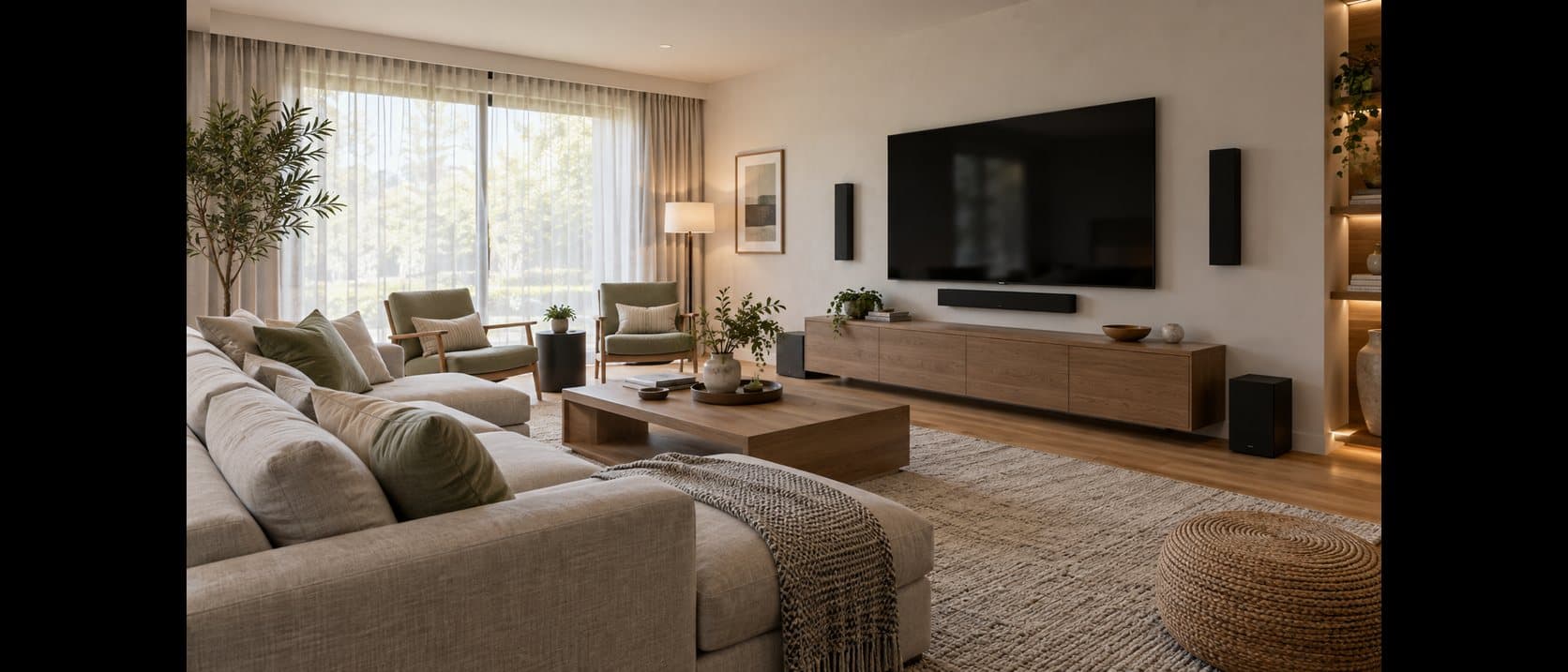
Sunlit living room with a wall-mounted TV, a soundbar, and tower speakers beside a low wood console

Our picks at a glance

Prices checked October 2026

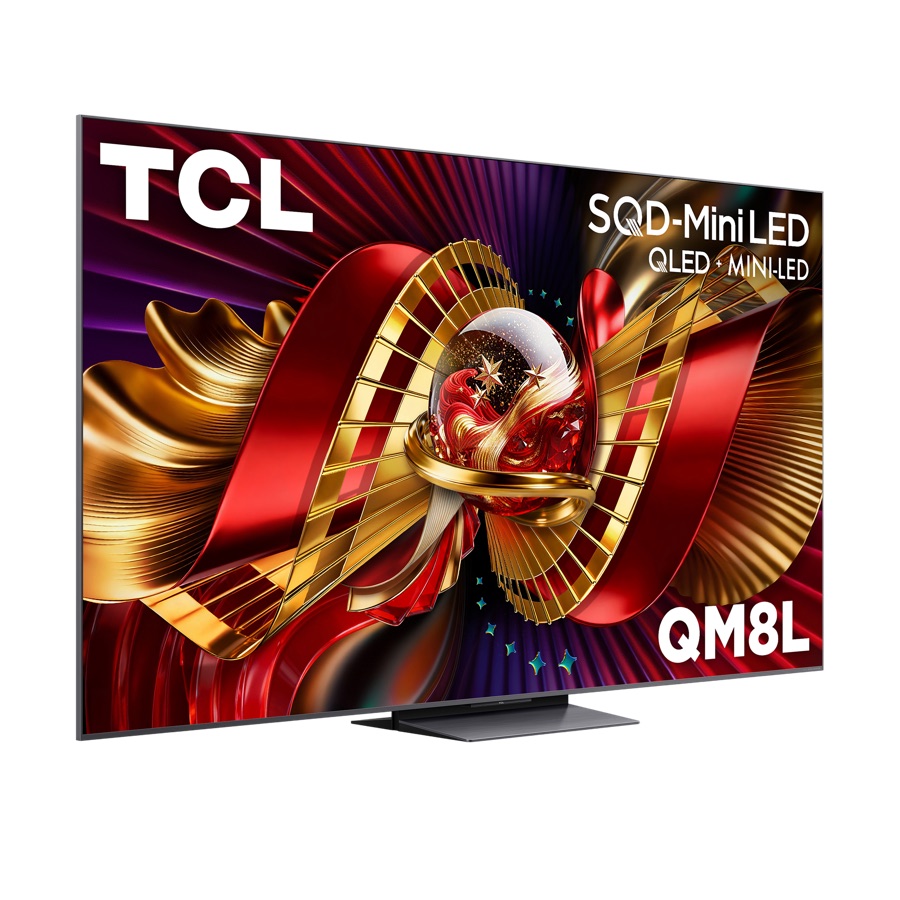
  1. TCL QM8L 85-inch SQD-Mini-LED (85QM8L)
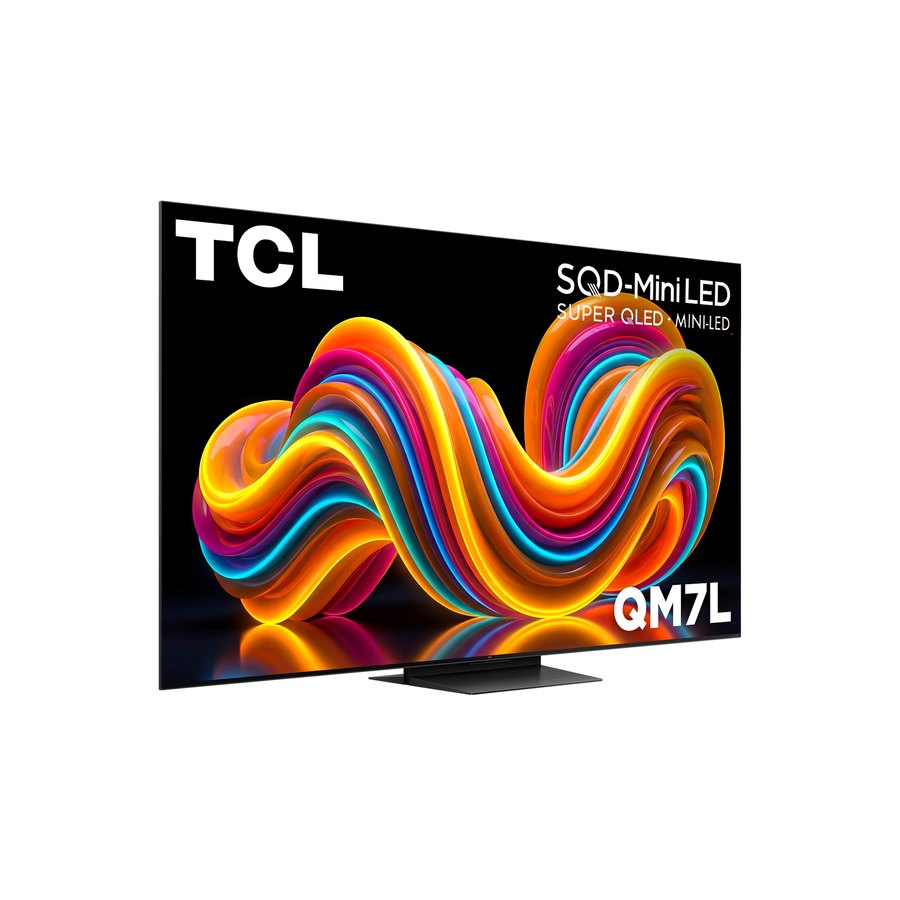
  2. TCL QM7L 65-inch SQD-Mini-LED (65QM7L)
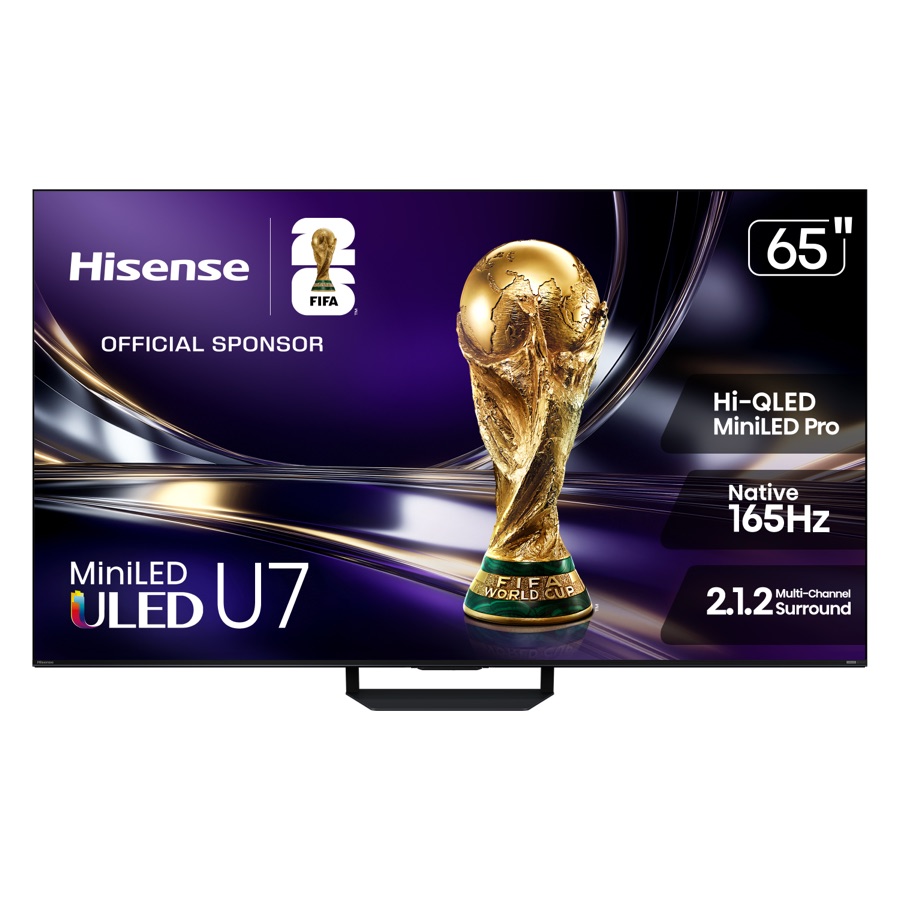
  3. Hisense U7SG 65-inch Mini-LED ULED (65U7SG)

    Best for bright rooms and gaming

    Hisense U7SG 65-inch Mini-LED ULED (65U7SG)
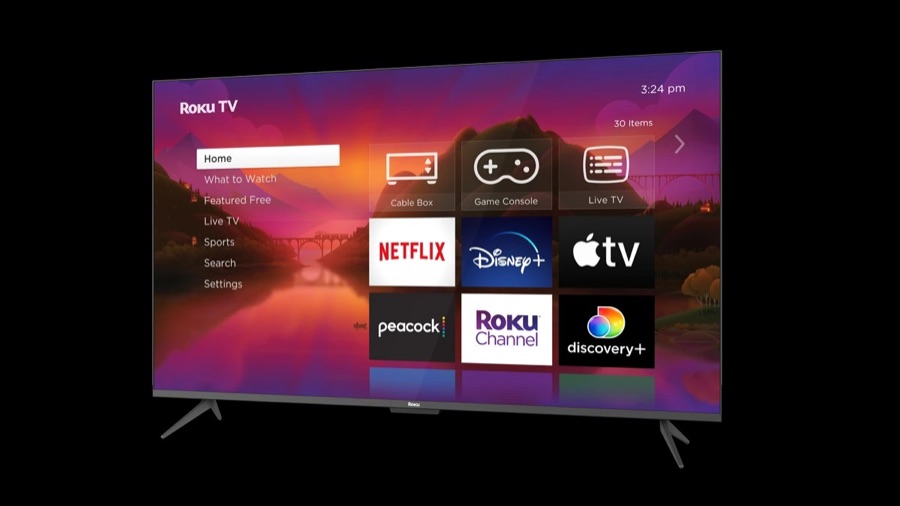
  4. Roku Pro Series 55-inch 4K QLED Mini-LED (55R8C5, 2025)

Mini-LED is where most people should be shopping in 2026. Thousands of tiny LEDs behind the panel, grouped into local dimming zones, give these TVs far more brightness than an OLED and much better contrast than an ordinary LED set, at prices that start well below any OLED of the same size. They are the right choice for living rooms with daylight, for sports, and for anyone who wants a big screen without paying OLED money.

What separates good Mini-LEDs is how well the dimming is controlled, since that decides how much glow you see around subtitles in dark scenes, along with peak brightness, glare handling, and HDMI ports. We picked from sets with independent lab measurements and reviews, and gave each one a clear job: the best picture, the best value, the best for a sunny room, and the best cheap second TV.

Our picks

TCL QM8L 85-inch SQD-Mini-LED (85QM8L)

1. Best overall

TCL QM8L 85-inch SQD-Mini-LED (85QM8L)

  • SQD Mini-LED, up to 4,000 zones
  • 4K 144Hz
  • 4x HDMI 2.1
  • Dolby Vision / HDR10+

The QM8L is the best Mini-LED picture in the catalog. Tom's Guide measured about 3,720 nits on a 10 percent window, and up to 4,000 dimming zones keep halos tight around subtitles and highlights, which is the one thing that usually gives a Mini-LED away. All four HDMI ports are 2.1 at up to 144 Hz, and its wide-angle filter holds contrast for seats off to the side. It comes in 65, 75, 85, and 98 inches.

Caveat: It costs several hundred dollars more than the QM7L at the same size; watch for sales, which have narrowed the gap.

View on Amazon$2,498 · Big bright rooms, sports and HDR movies
TCL QM7L 65-inch SQD-Mini-LED (65QM7L)

2. Best value

TCL QM7L 65-inch SQD-Mini-LED (65QM7L)

  • SQD Mini-LED, up to 2,100+ zones
  • 4K 144Hz
  • 2x HDMI 2.1
  • Dolby Vision IQ / HDR10+

Tom's Guide named the QM7L the best Mini-LED TV of 2026, and it is easy to see why: it uses the same SQD quantum-dot layer as the QM8L, so color is nearly identical, measured about 2,270 nits on a 10 percent window, and has 9.4 ms of input lag. It covered about 90 percent of the Rec.2020 color space in testing, which is class-leading at its price. For most rooms, it is the TV to buy.

Caveat: Only two of its four HDMI ports are 2.1, so a second console or a gaming PC will be limited to 60 Hz.

View on Amazon$898 · Vivid color and bright HDR on a budget
Hisense U7SG 65-inch Mini-LED ULED (65U7SG)

3. Best for bright rooms and gaming

Hisense U7SG 65-inch Mini-LED ULED (65U7SG)

  • Mini-LED QLED
  • 4K 165Hz
  • 4x HDMI 2.1
  • Dolby Vision IQ / HDR10+

The U7SG's matte anti-reflection coating diffuses windows and lamps instead of mirroring them, and RTINGS rates it the stronger bright-room TV against the QM7L. Tom's Guide measured it brighter too, at about 2,870 nits. All four HDMI ports are full-bandwidth 2.1 and it runs to 165 Hz, so it is also the easiest TV here for two consoles and a PC.

Caveat: Its VA panel loses contrast off-angle, and blooming around subtitles is visible in dark scenes.

View on Amazon$848 · Bright rooms, gaming on a budget
Roku Pro Series 55-inch 4K QLED Mini-LED (55R8C5, 2025)

4. Best budget for a second room

Roku Pro Series 55-inch 4K QLED Mini-LED (55R8C5, 2025)

  • QLED Mini-LED
  • 4K 120Hz
  • 2x HDMI 2.1
  • Dolby Vision IQ / HDR10+

The Roku Pro Series brings a real Mini-LED backlight to a 55-inch size and price where most TVs are edge-lit. Tom's Guide measured 1,532 nits, it has a native 120 Hz panel with two 4K120 inputs and 9.4 ms of input lag, and Roku OS is the simplest interface on any TV. It is the right set for a bedroom, kitchen, or first apartment.

Caveat: Roku does not publish the zone count and reviewers note blooming around subtitles, so it is a daytime TV rather than a movie-night one.

View on Amazon$598 · Bedrooms, second rooms, and anyone who hates TV menus

How we chose

  • Real full-array local dimming with independent measurements of brightness and blooming
  • Peak HDR brightness of about 1,500 nits or more, measured rather than claimed
  • Dolby Vision and HDR10+ support, so streaming HDR looks its best whatever the service
  • At least two HDMI 2.1 inputs at 4K120 or better for consoles
  • A current 2025 or 2026 model with strong professional reviews

Common questions

Is Mini-LED better than OLED?
In a bright room, often yes: a good Mini-LED is two to three times brighter and handles daylight better. In a dark room, OLED wins, because every pixel turns off and there is no blooming. See our best OLED TV picks if you watch mostly at night.
What is blooming?
A faint halo around bright objects on a dark background, caused by dimming zones being larger than pixels. More zones and better processing reduce it; the QM8L controls it best of these picks.
Which Mini-LED is best for gaming?
The Hisense U7SG or the TCL QM8L, because all four of their HDMI ports are full HDMI 2.1. The QM7L is just as fast but has only two HDMI 2.1 ports.
Is the QM8L worth it over the QM7L?
For night viewing, multiple consoles, or when a sale narrows the gap, yes. Color and input lag are the same; the QM8L adds brightness, dimming zones, and HDMI 2.1 on every port.

We may earn a commission when you buy through links on this site, at no extra cost to you. It never affects what we recommend. Learn more.

Head to head