Skip to content

Projectors

Which 4K projector should anchor your home theater?

The best 4K projectors for a home theater in 2026: an easy-to-place 3LCD value pick, a laser DLP for gaming, a calibrated LED DLP for dedicated rooms, a triple-laser UST, and a motorized-lens Epson laser for big rooms.

Home Theater HubUpdated September 14, 2026How we choose
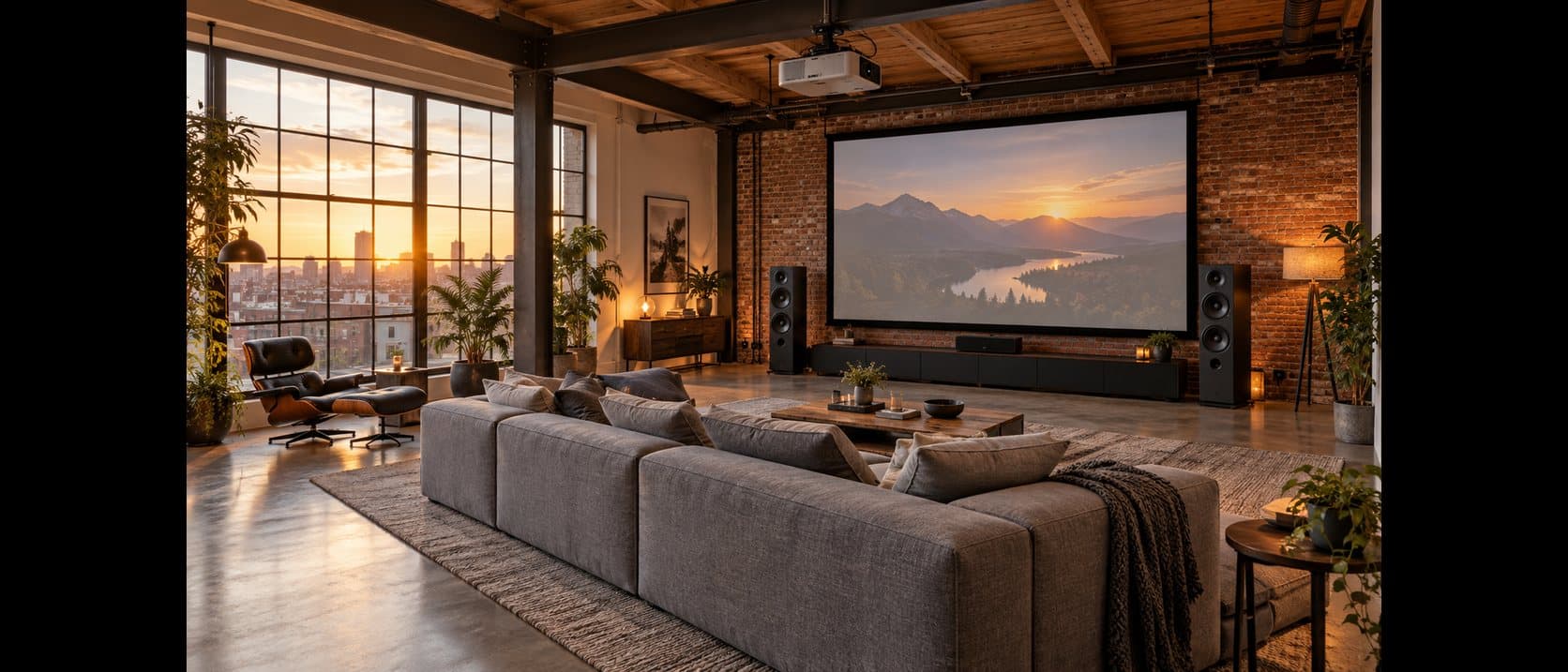
Loft with brick walls and tall windows, a projector throwing a mountain scene onto a large screen above a sectional

Our picks at a glance

Prices checked October 2026

  1. Epson Home Cinema 2350 4K PRO-UHD
  2. BenQ TK710 4K HDR Laser Projector
  3. BenQ W4100i 4K 4LED Home Theater Projector
  4. Hisense PX3-PRO TriChroma Laser Cinema UST
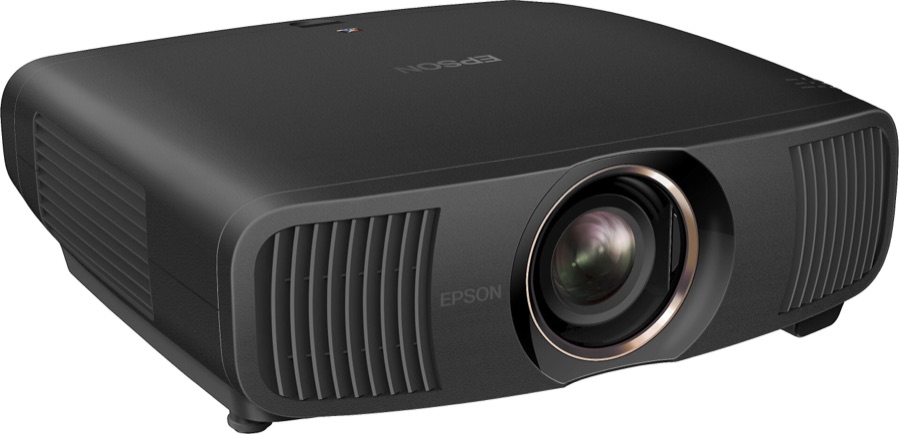
  5. Epson QB1000 4K HDR 3LCD Laser Projector (Black)

A projector is the cheapest route to a 100-inch-plus picture, but it only works if the throw distance, mounting position, and light control line up with the model you buy. This page is for people building a dedicated or light-controlled room, plus the living-room case where a ceiling mount is off the table and an ultra-short-throw is the answer.

We used lab-measured brightness, color gamut coverage, contrast, and input lag from projector review sites, and we weighed placement flexibility heavily because lens shift and zoom range decide whether a projector fits your room at all. Every pick is pixel-shifted 4K; native 4K chips cost several times more and add little at normal seating distances.

Our picks

Epson Home Cinema 2350 4K PRO-UHD

1. Best value

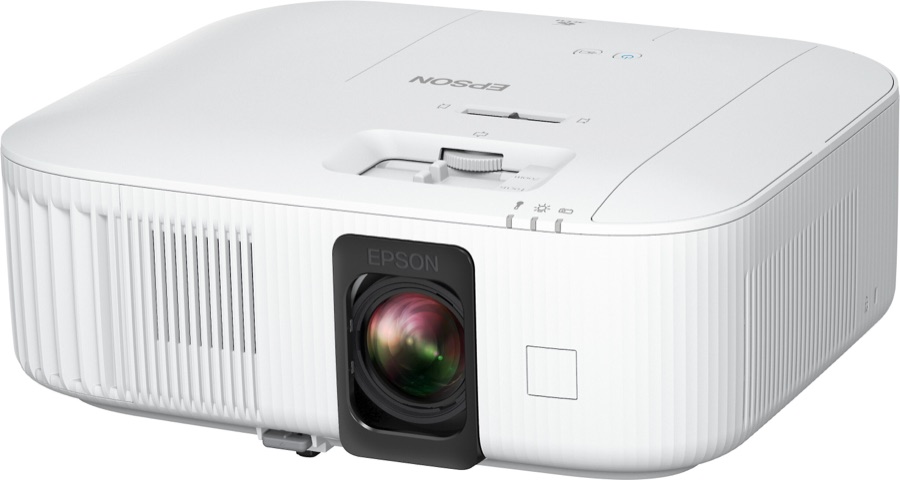
Epson Home Cinema 2350 4K PRO-UHD

  • 3LCD pixel-shift 4K
  • 2,800 lumens
  • Throw 1.32 to 2.15
  • Vertical lens shift

The Epson Home Cinema 2350 is a 2,800 lumen 3LCD projector with vertical lens shift of about plus or minus 60 percent and a 1.6x zoom, which makes it far easier to place than the fixed-offset DLP models in its budget tier. 3LCD means full color brightness, so HDR highlights do not go dim the way they can on single-chip DLP. Input lag is under 20 ms at 4K60 and 1080p120 according to Epson and ProjectorCentral. It launched in late 2022 and is still current in 2026.

Caveat: Lamp-based, so plan on a replacement bulb after a few thousand hours, and contrast is modest next to the BenQ.

View on Amazon$1,279 · First home theater, light-controlled living rooms
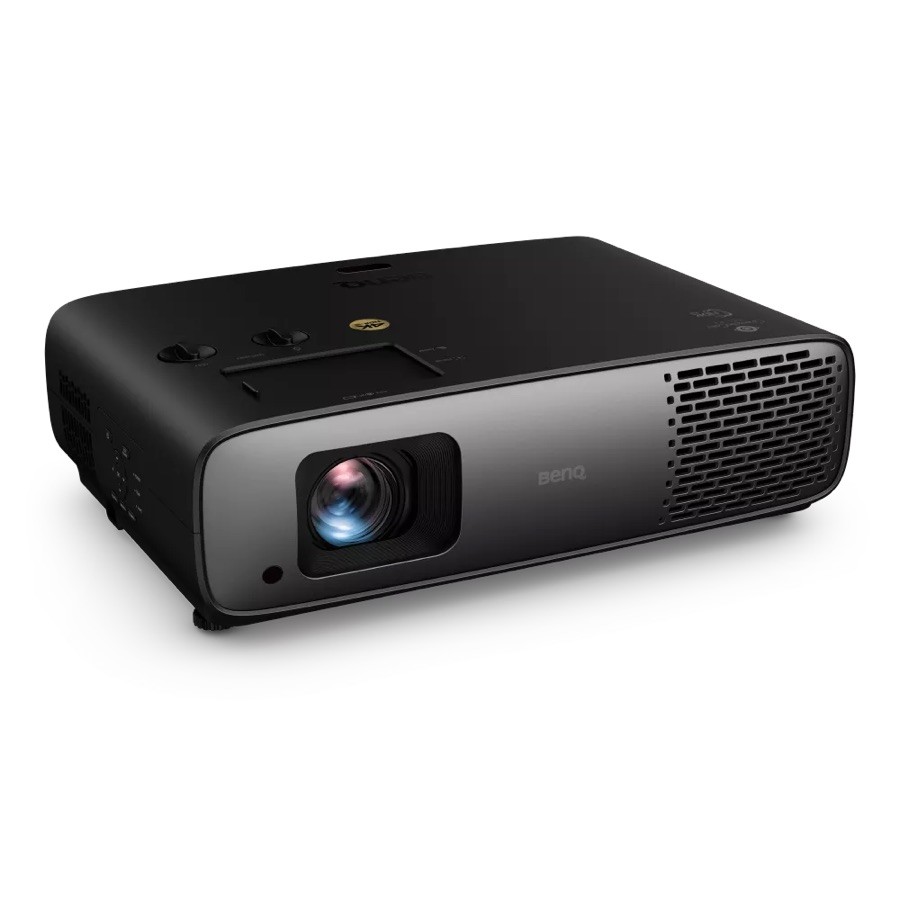
BenQ TK710 4K HDR Laser Projector

2. Best for gaming

BenQ TK710 4K HDR Laser Projector

  • 0.65-in DLP, 4K pixel shift
  • 3,200 lumens (2,478 measured)
  • Throw 1.15 to 1.50, 1.3x zoom
  • 4 ms at 1080p240, laser

The BenQ TK710 is the lamp-free step up from the Epson: a 0.65-inch DLP with 4K pixel shift, a 20,000-hour laser, and the lowest input lag ProjectorCentral has measured in a home projector at 4 ms for 1080p240, 8 ms at 1080p120, and 16 ms at 4K60. Native contrast measured 1,800:1 from the larger chip, and the 1.3x zoom plus a little vertical lens shift make it easier to place than most DLP projectors at its price. It replaced the discontinued HT2060 as the catalog's bright-room and gaming entry.

Caveat: Bright mode has a strong green bias and it measured 2,478 lumens against a 3,200 rating, so plan around 1,500 to 1,800 usable lumens in the accurate modes and expect Rec.709 rather than wide color.

View on Amazon$1,799 · Gaming, sports and movie nights in rooms with some light
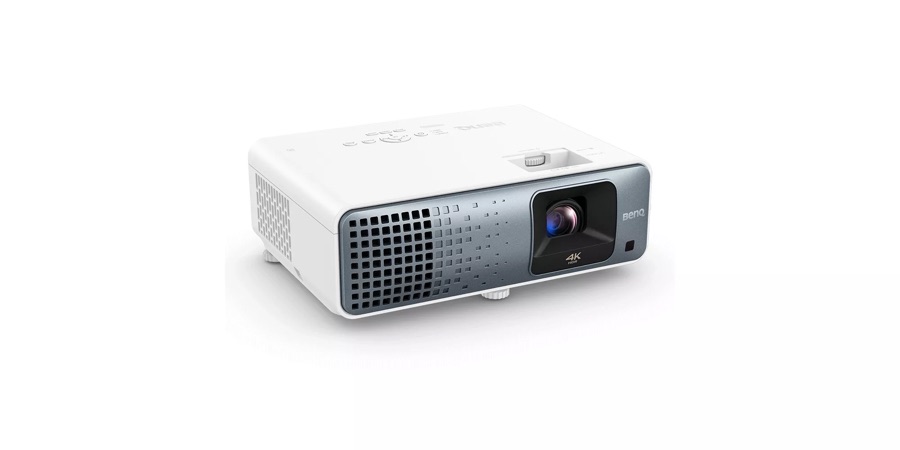
BenQ W4100i 4K 4LED Home Theater Projector

3. Best overall

BenQ W4100i 4K 4LED Home Theater Projector

  • 0.65-inch DLP pixel-shift 4K
  • 3,200 lumens 4LED
  • Throw 1.15 to 1.50
  • H/V lens shift

The BenQ W4100i is a 0.65-inch DLP with a 3,200 lumen 4LED light source and factory-calibrated 100 percent DCI-P3 color, and it offers both vertical lens shift (0 to 60 percent) and horizontal shift (plus or minus 15 percent), which is rare for DLP at its mid tier. Projector Reviews measured 17.9 ms of input lag at 4K60 and 13 ms at 1080p120 and gave it an Editors' Choice. It succeeded the HT4550i and the LED source means no lamp changes for the life of the projector.

Caveat: Throw range of 1.15 to 1.50 is narrower than the Epson's, so run the throw calculator before you commit to a mounting spot.

View on Amazon$2,755 · Dedicated theater rooms, color-critical viewing
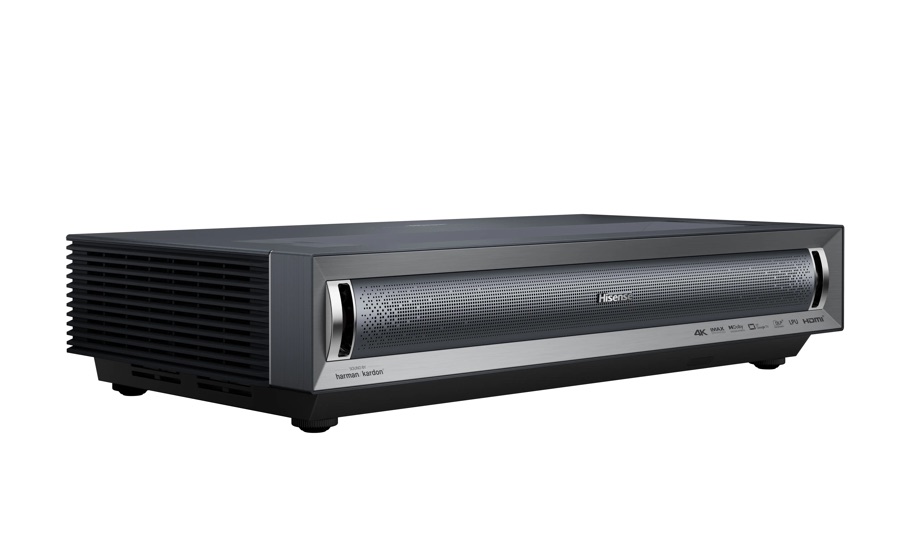
Hisense PX3-PRO TriChroma Laser Cinema UST

4. Best for living rooms

Hisense PX3-PRO TriChroma Laser Cinema UST

  • RGB triple laser UST
  • 3,000 ANSI lumens
  • Throw 0.22:1, 80 to 150 in
  • Dolby Vision / HDR10+

The Hisense PX3-PRO is a triple-laser ultra-short-throw that sits inches from the wall and produces an 80 to 150 inch image at a 0.22:1 throw, so there is no ceiling mount and no cable run across the room. Projector Reviews measured 3,246 ANSI lumens and 18 ms of input lag at 4K60, and it supports Dolby Vision and 1080p240. Native contrast around 3,000:1 is strong for DLP. Pair it with a UST-specific ALR screen and it holds up with the lights on.

Caveat: Needs a UST ALR screen to look its best, which adds to the total cost.

View on Amazon$2,900 · Living rooms, no ceiling mount, UST ALR screens
Epson QB1000 4K HDR 3LCD Laser Projector (Black)

5. Best for big rooms

Epson QB1000 4K HDR 3LCD Laser Projector (Black)

  • 3LCD laser, 4-way pixel shift
  • 3,300 lumens (3,383 measured)
  • Throw 1.35 to 2.84, 2.1x zoom
  • Motorized H/V lens shift

The Epson QB1000 is the long-throw for a large dedicated room with a 130 to 150 inch screen or a mounting position the other picks cannot reach. ProjectorCentral gave it an Editor's Choice after measuring 3,383 lumens with equal color and white brightness, 5,833:1 native contrast, and 21 ms of lag at 4K120, a combination no DLP here matches. The motorized 15-element lens covers a 1.35 to 2.84 throw with a 2.1x zoom, plus or minus 96 percent vertical and 47 percent horizontal shift, and ten lens memories, so it can fill a 2.35:1 screen and a 16:9 screen without touching the mount.

Caveat: The pixel grid is visible from about six feet and can moire on woven acoustically transparent screens, DCI-P3 coverage is below 90 percent, and there is no Dolby Vision or 3D.

View on Amazon$6,695 · Large dedicated theaters, 130 to 150 inch screens, awkward mounting positions

How we chose

  • Enough lumens for a 100 to 120 inch screen in a dark or controlled room
  • Lens shift or a throw ratio that fits typical ceiling and shelf positions
  • Color accuracy out of the box or a factory calibration report
  • Input lag under 20 ms at 4K60 for gaming
  • Long-life light source or a cheap replacement lamp

Common questions

Is pixel-shift 4K as good as native 4K?
At normal seating distances, effectively yes. Pixel-shifted 4K projectors deliver most of the visible detail of native chips, and the money saved is better spent on a screen or light control. Native 4K matters mainly for very large screens viewed up close.
How many lumens do I need for a home theater projector?
For a 100 to 120 inch screen in a dark room, 1,500 to 2,500 lumens is plenty. Rooms with some ambient light benefit from 3,000 lumens or more, and an ALR screen helps more than extra lumens alone.
Should I get a projector or a big TV?
Choose a projector if you want a picture over 100 inches and can control the light. Choose a TV if the room is bright, you watch a lot of daytime sports, or you want the best HDR highlights. Our projector versus TV guide walks through the tradeoffs.

We may earn a commission when you buy through links on this site, at no extra cost to you. It never affects what we recommend. Learn more.

Head to head