Skip to content

TVs

Which OLED TV should you buy in 2026?

The best OLED TVs of 2026: LG's all-round C6, Samsung's colorful S90F, and Sony's BRAVIA 8 II for the most refined picture. How they differ on color, HDR formats, gaming, and price.

Home Theater HubUpdated October 13, 2026How we choose
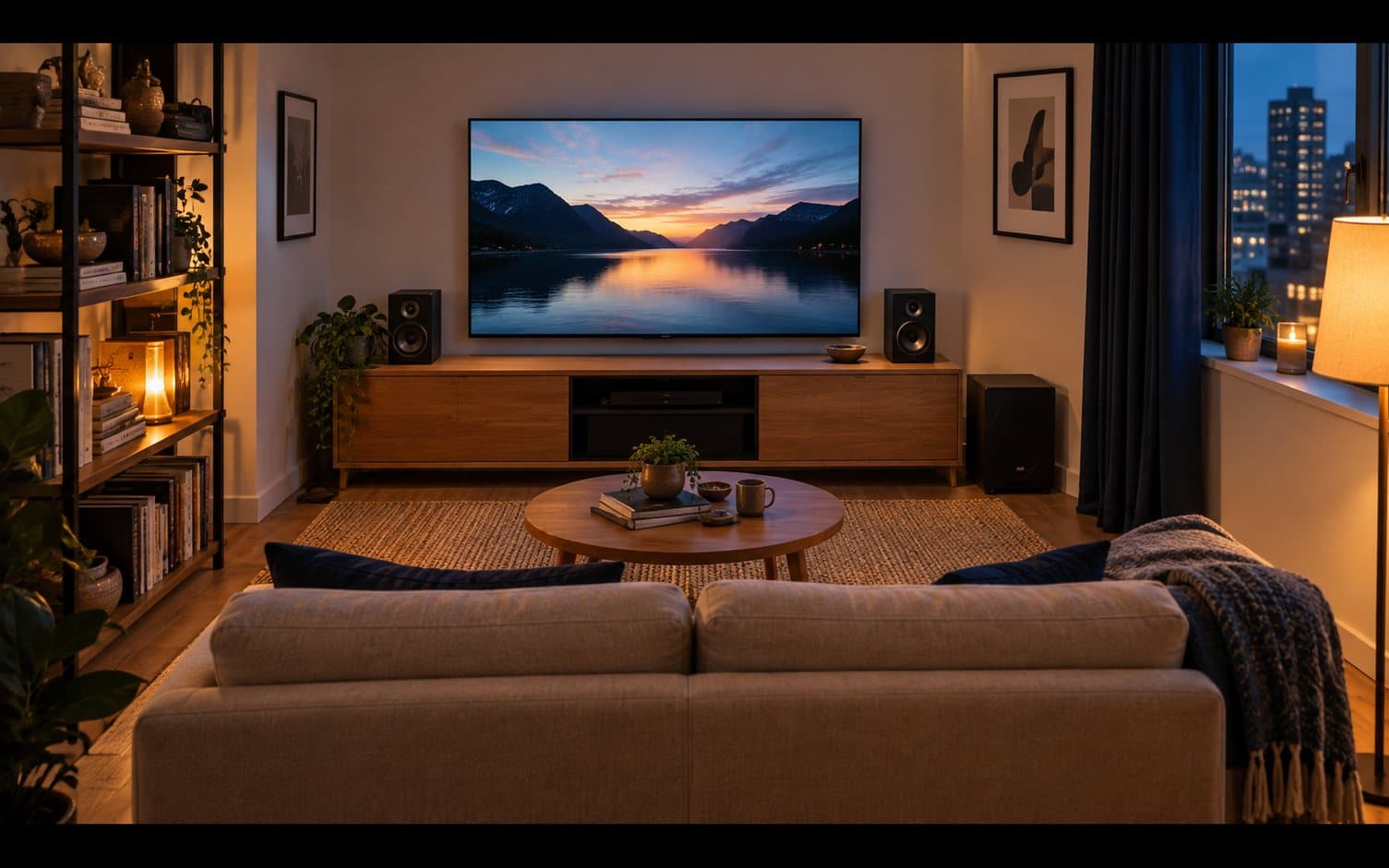
Cozy apartment living room at dusk with a sofa a few feet from a TV on a wood console

Our picks at a glance

Prices checked October 2026

  1. LG C6 65-inch OLED evo (OLED65C6PUA)
  2. Samsung S90F 65-inch QD-OLED (QN65S90FAFXZA)
  3. Sony BRAVIA 8 II 65-inch QD-OLED (K-65XR80M2)

OLED is still the best picture you can buy for a room you can darken. Each pixel makes its own light and switches off completely, so black is truly black and there is no halo around subtitles, stars, or credits. Viewing angles are wide, motion is clean, and all three of these TVs measure in the same broad brightness class, so the differences come down to color, HDR format support, ports, and processing.

We chose between the three mid-range and upper mid-range OLEDs that lab reviewers measured most thoroughly this year, all at 65 inches. The LG C6 is the default; the Samsung S90F trades Dolby Vision for richer color and a lower price; the Sony BRAVIA 8 II costs the most and has the best processing. If your room is bright most of the day, a Mini-LED is the better tool.

Our picks

LG C6 65-inch OLED evo (OLED65C6PUA)

1. Best overall

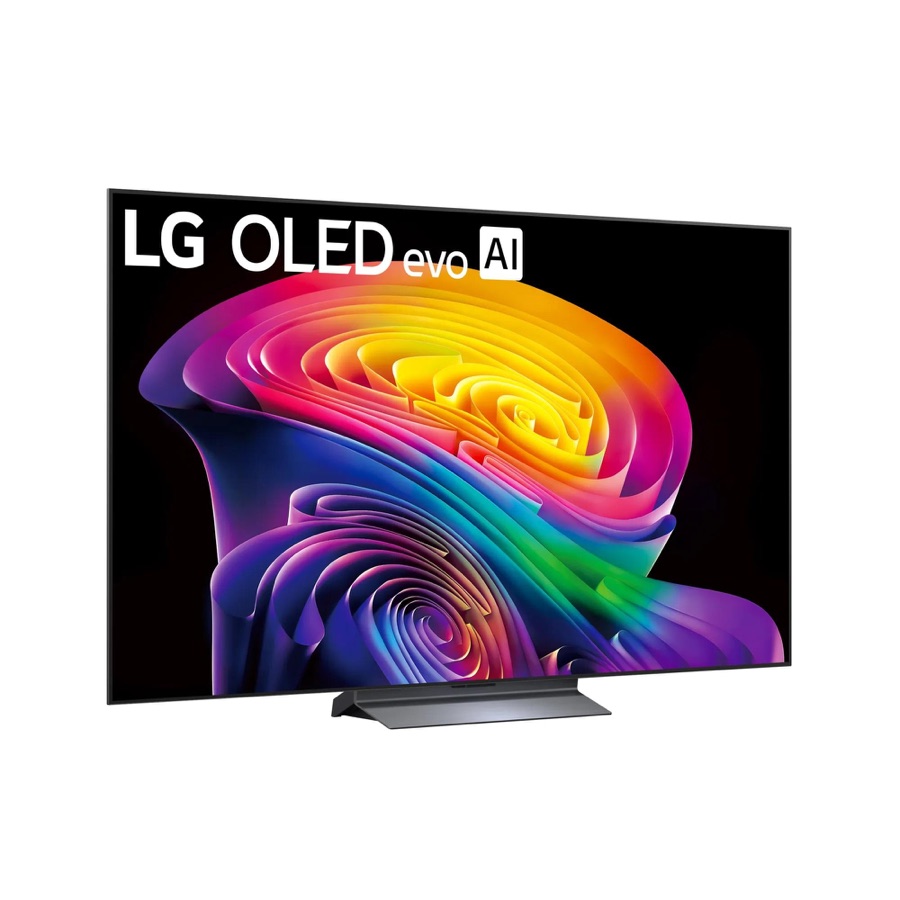
LG C6 65-inch OLED evo (OLED65C6PUA)

  • OLED evo (WOLED)
  • 4K 165Hz
  • 4x HDMI 2.1
  • Dolby Vision

The C6 is the reference mid-range OLED. It has Dolby Vision, four HDMI 2.1 inputs at up to 165 Hz with G-Sync and FreeSync, input lag under 10 ms, and a polarizer that keeps blacks black even with a lamp on. It measured in the roughly 1,300 to 1,500 nit class. If you want one TV that does movies, games, and sports well, this is it.

Caveat: It does not support HDR10+, and its glossy screen reflects direct light.

View on Amazon$1,600 · Dark rooms, movies, gaming
Samsung S90F 65-inch QD-OLED (QN65S90FAFXZA)

2. Best color and value

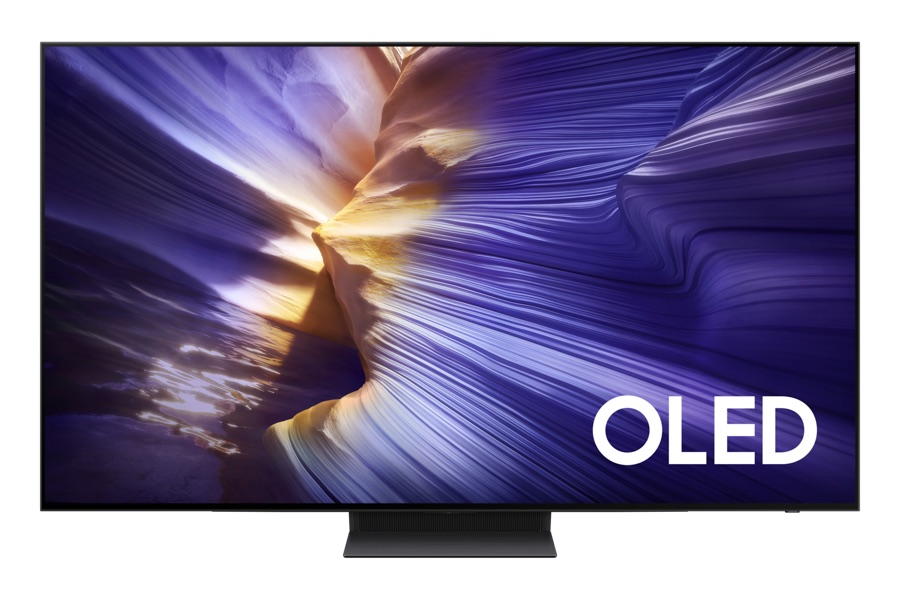
Samsung S90F 65-inch QD-OLED (QN65S90FAFXZA)

  • QD-OLED
  • 4K 144Hz
  • 4x HDMI 2.1
  • HDR10+ (no Dolby Vision)

The S90F uses a quantum-dot OLED panel, which gives it noticeably more saturated color than the C6 at a lower street price. RTINGS and AVForums measured it in the same 1,300 to 1,500 nit class with near-perfect accuracy out of the box, and its four HDMI 2.1 inputs and roughly 9 ms of input lag make it one of the strongest gaming OLEDs. It supports HDR10+.

Caveat: No Dolby Vision, and without a polarizer its blacks look grey-purple when strong light hits the screen.

View on Amazon$1,398 · Color-rich movies and gaming in a dim room
Sony BRAVIA 8 II 65-inch QD-OLED (K-65XR80M2)

3. Best picture processing

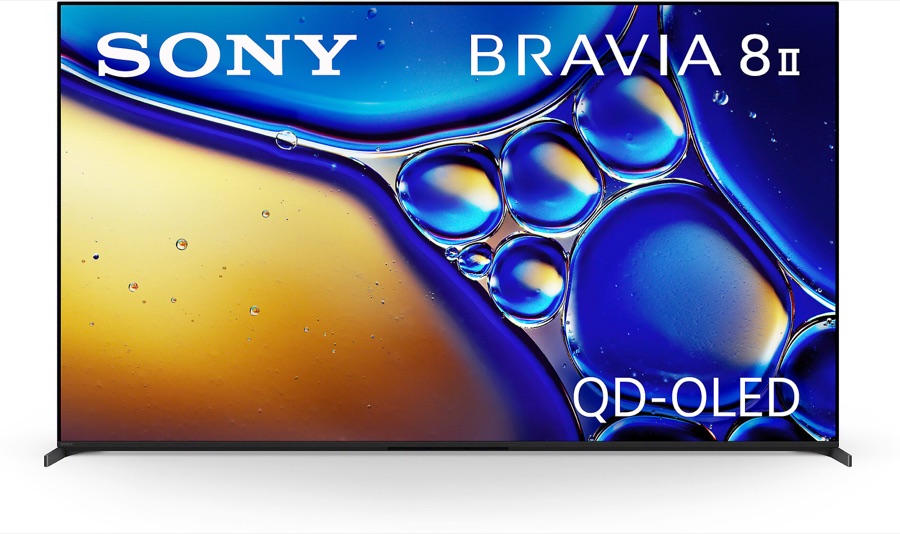
Sony BRAVIA 8 II 65-inch QD-OLED (K-65XR80M2)

  • QD-OLED
  • 4K 120Hz
  • 2x HDMI 2.1
  • Dolby Vision / IMAX Enhanced

The BRAVIA 8 II is for viewers who notice processing: Sony's upscaling, gradation, and motion handling are a step ahead of LG and Samsung, and FlatpanelsHD measured 1,561 nits on a 10 percent window, the brightest of these three. It supports Dolby Vision and IMAX Enhanced, and its screen doubles as the center channel through Acoustic Surface Audio+ when you run it without a receiver.

Caveat: It costs the most, has only two HDMI 2.1 inputs, and its input lag is roughly double the C6's.

View on Amazon$2,498 · Reference movie watching, Sony and PlayStation households

How we chose

  • Measured brightness in the 1,300 nit class or better on a 10 percent window
  • Low input lag and HDMI 2.1 inputs for current consoles
  • Dolby Vision or HDR10+ support, and clarity about which one each set lacks
  • Wide viewing angles and good near-black handling in independent tests
  • A current 2025 or 2026 model at a realistic street price

Common questions

Which OLED is best for gaming?
The LG C6, closely followed by the Samsung S90F. Both have four HDMI 2.1 inputs and lag under 10 ms; the C6 adds 165 Hz and G-Sync. The Sony has two HDMI 2.1 inputs and higher lag.
Dolby Vision or HDR10+?
Netflix, Disney+, Apple TV+, and most 4K Blu-rays use Dolby Vision; Amazon Prime Video and some others favor HDR10+. The LG and Sony support Dolby Vision; the Samsung supports HDR10+. Every set still plays standard HDR10 from either source.
Will an OLED burn in?
With normal mixed viewing, modern OLEDs manage it well. If the TV will show the same static logo or ticker for hours every day, a Mini-LED avoids the risk.
Is OLED worth it in a bright room?
Usually not as a first choice. These OLEDs are bright enough for most daytime TV, but a Mini-LED is brighter and handles glare better. See our best Mini-LED TV picks.

We may earn a commission when you buy through links on this site, at no extra cost to you. It never affects what we recommend. Learn more.

Head to head